

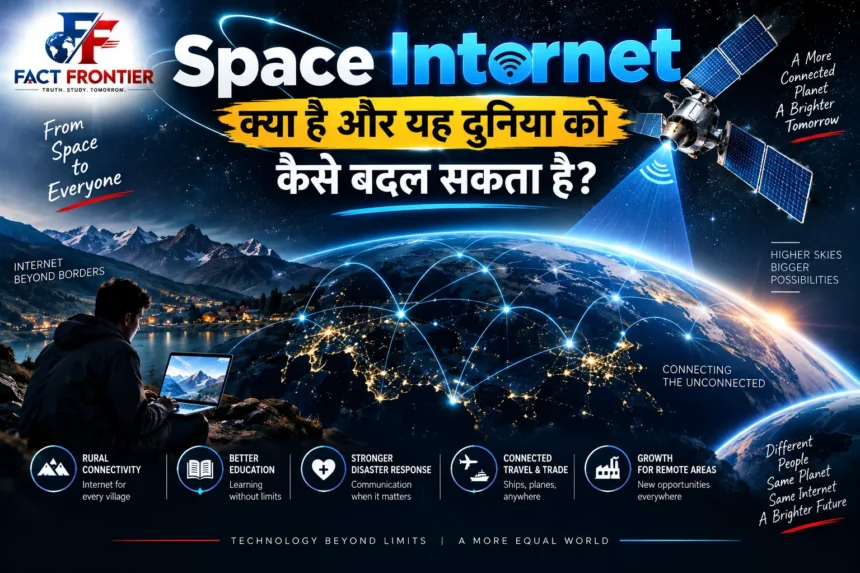
जब Internet की अगली बड़ी सीमा धरती नहीं, Space होगी
कल्पना कीजिए—हिमालय के किसी दूरदराज गांव में बैठा छात्र उसी तरह high-speed internet इस्तेमाल कर रहा है जैसे किसी बड़े शहर में रहने वाला व्यक्ति। समुद्र के बीच जहाज पर मौजूद crew लगातार connected है। किसी बाढ़ या भूकंप में mobile towers और fibre cables बंद हो जाने के बावजूद भी emergency communication जारी है। और भविष्य में शायद आपका सामान्य smartphone बिना किसी traditional mobile tower के सीधे satellite से message या data exchange कर सके।
यह science fiction नहीं है। Space Internet इसी दिशा में विकसित हो रही technology का नाम है।
आज internet का अधिकांश infrastructure जमीन पर है—fiber-optic cables, mobile towers, data centres, routers और undersea cables। Space Internet इस architecture में satellites को जोड़ता है। खासकर Low Earth Orbit (LEO) satellite constellations, high-throughput satellites और emerging Direct-to-Device/Direct-to-Cell technologies internet connectivity को उन जगहों तक ले जाने की कोशिश कर रही हैं जहाँ traditional networks पहुंचाना महंगा, कठिन या कभी-कभी असंभव होता है।International Telecommunication Union (ITU) के अनुसार non-geostationary satellite systems remote और underserved communities को broadband से जोड़ने में महत्वपूर्ण भूमिका निभा सकते हैं।
लेकिन Space Internet का मतलब केवल “आसमान से Wi-Fi” नहीं है। इसके पीछे satellites, ground stations, spectrum, optical links, antennas, data routing और complex network management की पूरी technology काम करती है।
Space Internet आखिर है क्या?
Simple language में समझें तो Space Internet ऐसा communication network है जिसमें satellites internet data को एक जगह से दूसरी जगह पहुंचाने के लिए network infrastructure का हिस्सा बनते हैं।
जब आप किसी website को खोलते हैं, तो आपका device data request भेजता है। सामान्य broadband में यह request local network, fibre या mobile infrastructure के जरिए internet backbone तक जाती है।
Satellite broadband में user terminal satellite से communicate करता है। Satellite data को दूसरे satellite या ground gateway तक forward किया जा सकता है और फिर terrestrial internet infrastructure से connect किया जाता है।
इसका सबसे बड़ा advantage है—geography की सीमाएं कम हो जाती हैं।
जहां fibre cable बिछाना मुश्किल है, वहां satellite coverage उपलब्ध कराई जा सकती है। ITU के अनुसार satellite systems remote और rural areas, ships, aircraft तथा disaster situations में connectivity देने में उपयोगी हो सकते हैं।
LEO Satellites ने Space Internet को क्यों बदल दिया?
पुराने satellite internet systems में अक्सर Geostationary Earth Orbit (GEO) satellites का इस्तेमाल होता था। ये पृथ्वी से लगभग 36,000 km ऊपर रहते हैं। इतनी ऊंचाई का फायदा यह है कि एक satellite बहुत बड़ा geographical area cover कर सकता है।
लेकिन दूरी बहुत अधिक होने के कारण signal को satellite तक जाने और वापस आने में ज्यादा समय लगता है। इसे latency कहते हैं।
LEO satellites पृथ्वी के काफी करीब होते हैं—आमतौर पर कुछ सौ से लेकर लगभग 2,000 km तक की orbital altitude में। इसलिए signal travel distance कम हो सकती है और latency घट सकती है।
लेकिन इसका एक trade-off है।
LEO satellite लगातार एक जगह के ऊपर नहीं रहता। वह तेजी से पृथ्वी की परिक्रमा करता है। इसलिए global coverage के लिए एक satellite नहीं, बल्कि बहुत सारे satellites की constellation चाहिए।
यही model Starlink जैसे systems ने popular किया है।
Space Internet काम कैसे करता है?
इसे चार मुख्य हिस्सों में समझा जा सकता है:
1. User Terminal
घर, office, vehicle या किसी remote location में एक satellite terminal होता है। यह antenna satellite के साथ communication करता है।
2. Satellite Constellation
आकाश में मौजूद satellites data को receive और forward करते हैं। LEO constellation में satellites लगातार move करते रहते हैं, इसलिए network को dynamically manage करना पड़ता है।
3. Ground Gateway
Satellite network को terrestrial internet से जोड़ने के लिए ground stations या gateways महत्वपूर्ण होते हैं।
4. Internet Backbone
आखिरकार data उसी global internet ecosystem से जुड़ता है जिसमें data centres, cloud services, fibre networks और servers शामिल हैं।
NASA भी space communication को transmitter, receiver और electromagnetic signals के जरिए data exchange की प्रक्रिया के रूप में समझाता है; बड़े satellite networks इसी basic principle को विशाल scale पर लागू करते हैं।
Space Internet और Direct-to-Cell में क्या अंतर है?
यह distinction आने वाले वर्षों में बहुत important होने वाला है।
Satellite Broadband में आमतौर पर user के पास dedicated satellite terminal या dish/antenna होता है।
लेकिन Direct-to-Cell या Direct-to-Device technology का लक्ष्य satellite को सीधे ordinary mobile devices से communicate कराना है।
इसका मतलब है कि ऐसी जगह जहां mobile tower नहीं है, compatible phone satellite network के साथ communication कर सके।
SpaceX ने अपने Starlink Direct to Cell system के बारे में बताया है कि satellites को ऐसे design किया गया है कि वे space-based cell towers की तरह काम कर सकें और compatible 4G LTE phones तक connectivity पहुंचा सकें। शुरुआती commercial service messaging से शुरू हुई थी।
ITU के 2026 analysis के अनुसार Direct-to-Device satellite networks future में remote land, sea, mountains और deserts जैसे क्षेत्रों में voice तथा Internet-of-Things connectivity तक विस्तार कर सकते हैं। ITU ने इसे terrestrial networks और satellite systems के increasingly converged architecture की दिशा में एक कदम बताया है।
भारत के लिए Space Internet क्यों महत्वपूर्ण है?
भारत जैसे विशाल और भौगोलिक रूप से diverse देश में connectivity की जरूरत हर जगह समान है, लेकिन infrastructure की लागत समान नहीं है।
किसी metropolitan city में fibre network और mobile towers लगाना relatively practical हो सकता है। लेकिन mountainous regions, islands, forests, border areas या बेहद remote villages में physical infrastructure पहुंचाना कठिन हो सकता है।
भारत सरकार के एक PIB explainer के अनुसार April–June 2025 में भारत में लगभग 1,002.85 million internet subscribers थे, जबकि rural connectivity में अभी भी gap मौजूद है। इसी context में satellite internet को remote villages, hilly terrain, border areas और islands के लिए complementary technology के रूप में देखा जा रहा है।
भारत में regulatory ecosystem भी बदल रहा है। Department of Telecommunications (DoT) के records के अनुसार Starlink Satellite Communication को June 2025 में national-area ISP और GMPCS authorisations मिले थे। DoT की GMPCS framework में satellite-based internet, messaging, voice और IoT connectivity जैसी services शामिल हैं।
2026 में भारत ने Telecommunications Authorisation Rules के तहत नया authorisation framework भी लागू किया है, जो telecom operations के regulatory structure को नया रूप देता है।
इसका अर्थ यह नहीं है कि satellite internet हर जगह traditional broadband को replace कर देगा। ज्यादा realistic picture यह है कि satellite और terrestrial networks साथ-साथ काम करेंगे।
Education की तस्वीर बदल सकती है
Space Internet का सबसे बड़ा सामाजिक प्रभाव उन communities में दिखाई दे सकता है जहां आज reliable broadband limited है।
एक remote village में school के पास stable connectivity हो तो students:
- online lectures access कर सकते हैं,
- digital libraries इस्तेमाल कर सकते हैं,
- scientific resources तक पहुंच सकते हैं,
- teachers के लिए training programmes join कर सकते हैं,
- और दूसरे शहरों के educational institutions से जुड़ सकते हैं।
लेकिन केवल internet तक पहुंच जाना education revolution की guarantee नहीं है। Device affordability, electricity, digital literacy, local-language content और teachers की availability भी उतनी ही जरूरी हैं।
Space Internet connection की बाधा कम कर सकता है; education की बाकी समस्याएं अपने आप खत्म नहीं होंगी।
Disaster Management में इसकी भूमिका
भूकंप, बाढ़, cyclone या landslide जैसी natural disasters में terrestrial communication infrastructure को damage हो सकता है।
Mobile towers बंद हो सकते हैं। Fibre cables कट सकते हैं। Electricity supply प्रभावित हो सकती है।
ऐसे समय में satellite communication एक alternative communication layer उपलब्ध करा सकता है।
ITU satellite systems को emergency communications और disaster resilience के लिए उपयोगी technology मानता है।
भविष्य में disaster-response teams portable satellite terminals या direct-to-device connectivity का इस्तेमाल करके rescue coordination, location sharing और emergency messaging को बनाए रख सकती हैं।
यानी Space Internet केवल entertainment या faster browsing की technology नहीं है। इसका एक महत्वपूर्ण role communication resilience में हो सकता है।
Ships, Aircraft और Remote Industries को फायदा
समुद्र में जहाज traditional terrestrial towers से बहुत दूर होते हैं। इसी तरह aircraft को लगातार ground-based network coverage नहीं मिलती।
Satellite connectivity इन environments में पहले से इस्तेमाल हो रही है और आने वाले समय में bandwidth तथा latency में सुधार के साथ applications और बढ़ सकती हैं।
Oil and gas installations, mining sites, scientific research stations, remote construction projects और polar regions जैसी जगहों पर भी satellite connectivity valuable हो सकती है।
यहां Space Internet का फायदा simple है:
जहां जमीन पर network पहुंचाना कठिन है, वहां space-based network comparatively practical हो सकता है।
Agriculture और IoT का नया Network
भविष्य में Internet केवल smartphones और computers तक सीमित नहीं रहेगा।
Sensors खेतों में soil moisture monitor कर सकते हैं। Remote machinery अपनी location भेज सकती है। Wildlife monitoring systems जंगलों से data transmit कर सकते हैं। Ships और logistics vehicles लगातार connected रह सकते हैं।
Satellite networks इन Internet of Things (IoT) devices को ऐसे क्षेत्रों में connect कर सकते हैं जहां cellular coverage कमजोर है।
भारत के GMPCS framework में भी satellite-based data connectivity for IoT और aggregator devices को covered service के रूप में शामिल किया गया है।
लेकिन Space Internet की अपनी चुनौतियां भी हैं
Technology जितनी exciting है, challenges भी उतने ही वास्तविक हैं।
Cost
Satellite network बनाना, launch करना और maintain करना expensive है। User terminal की कीमत भी कई लोगों के लिए barrier हो सकती है।
Weather
कुछ satellite communication systems heavy rain और atmospheric conditions से प्रभावित हो सकते हैं, खासकर higher-frequency bands में।
Spectrum
Space और terrestrial networks को radio spectrum share करना पड़ता है। Interference रोकने के लिए international coordination जरूरी है। ITU satellite spectrum और orbital resources के coordination के लिए global framework प्रदान करता है।
हजारों satellites की constellations orbital environment पर pressure बढ़ाती हैं। Collision risk और end-of-life satellite disposal future space operations के बड़े challenges हैं।
Astronomy
Bright satellite constellations astronomical observations को प्रभावित कर सकती हैं। इसलिए satellite operators और astronomers के बीच mitigation measures पर काम जारी है।
Digital Inequality
अगर service महंगी रही तो Space Internet केवल उन लोगों तक सीमित रह सकता है जो इसे afford कर सकते हैं।
इसलिए “global coverage” और “universal affordable access” एक ही बात नहीं हैं।
क्या Space Internet Traditional Internet को खत्म कर देगा?
संभवतः नहीं।
Fibre-optic networks अभी भी dense urban areas और high-capacity backbone connectivity के लिए अत्यंत महत्वपूर्ण रहेंगे। Mobile networks भी cities और populated regions में essential infrastructure बने रहेंगे।
Space Internet को ज्यादा सही तरीके से additional layer of connectivity समझना चाहिए।
भविष्य का network शायद ऐसा होगा:
Fibre + 5G/6G + Wi-Fi + LEO Satellites + Direct-to-Device
यानी जमीन और space एक ही communication ecosystem के हिस्से बनेंगे।
ITU भी satellite और mobile technologies के increasingly integrated होने की ओर संकेत करता है।
2030 के आसपास Internet कैसा दिख सकता है?
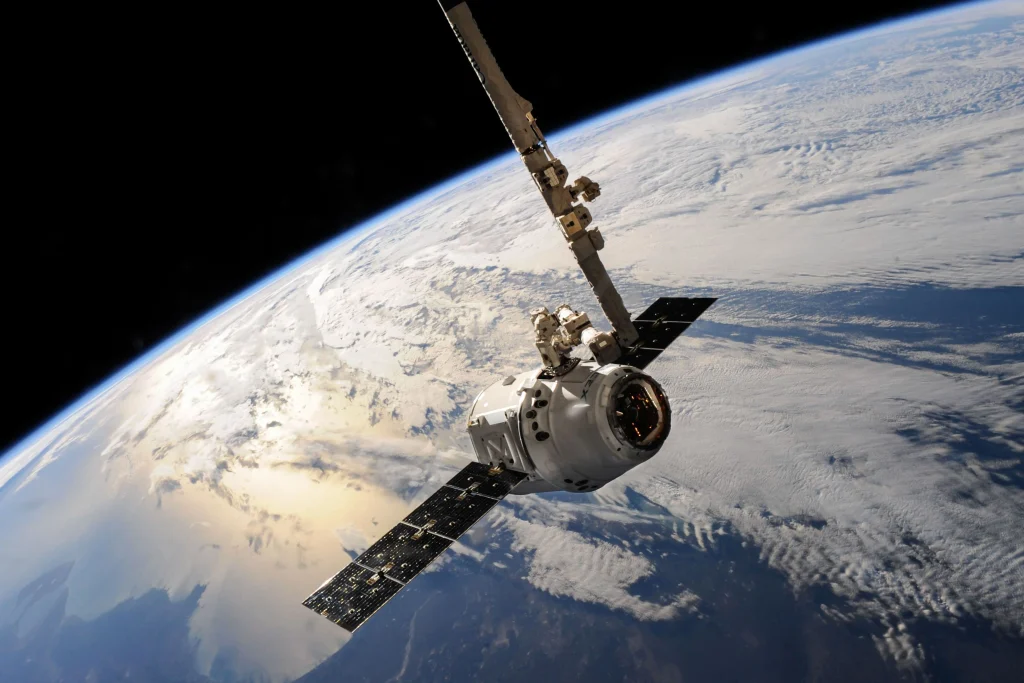
आज “network coverage” का मतलब अक्सर mobile tower या Wi-Fi hotspot की availability होता है।
भविष्य में यह definition बदल सकती है।
आप किसी desert highway पर हों, mountain trail पर हों, समुद्र के बीच ship पर हों या किसी remote research station में—आपका device network से जुड़ा रह सकता है।
हर जगह समान speed मिलना जरूरी नहीं होगा। लेकिन no signal zones कम हो सकते हैं।
ITU ने 2026 में Direct-to-Device systems को 6G era के साथ increasingly converged space-terrestrial networks की दिशा में महत्वपूर्ण technology बताया है।
यानी आने वाला Internet सिर्फ “Internet everywhere” नहीं हो सकता।
यह धीरे-धीरे “network beyond terrestrial infrastructure” की दिशा में बढ़ रहा है।
निष्कर्ष: Internet का अगला Frontier आसमान में है
Space Internet कोई जादुई technology नहीं है और न ही यह traditional broadband का immediate replacement है। इसकी असली ताकत उन जगहों में दिखाई देती है जहां terrestrial connectivity की physical limits सामने आती हैं।
Remote village से लेकर ocean-going ship तक, disaster zone से लेकर mountain research station तक—satellite networks connectivity की definition को expand कर सकते हैं।
LEO constellations ने satellite broadband को नई गति दी है। Direct-to-Cell technology smartphone और satellite के बीच नई communication layer बनाने की कोशिश कर रही है। भारत भी satellite communications के लिए regulatory और commercial ecosystem विकसित कर रहा है।
लेकिन इस technology की असली सफलता केवल इस बात से तय नहीं होगी कि कितने satellites orbit में पहुंच गए।
सफलता तब होगी जब Space Internet—
जहां fibre नहीं पहुंच सकती, वहां connection दे;
जहां disaster में network टूट जाए, वहां communication बचाए;
जहां education resources दूर हों, वहां knowledge पहुंचाए;
और जहां आज “No Signal” लिखा दिखाई देता है, वहां भविष्य में दुनिया से जुड़ने का रास्ता खुले।
शायद आने वाले वर्षों में Internet की सबसे बड़ी सीमा कोई शहर, देश या महाद्वीप नहीं होगी।
वह सीमा केवल पृथ्वी और Space के बीच की दूरी होगी—और technology उस दूरी को लगातार छोटा कर रही है।
अक्सर पूछे जाने वाले प्रश्न (FAQs)
Q1: Space Internet क्या है और यह सामान्य इंटरनेट से कैसे अलग है?
उत्तर: Space Internet एक ऐसा नेटवर्क है जहां डेटा ट्रांसमिशन जमीन पर बिछी केबल्स या मोबाइल टावरों के बजाय अंतरिक्ष में मौजूद सैटेलाइट्स के जरिए होता है। सामान्य इंटरनेट के लिए जमीन पर फाइबर ऑप्टिक केबल बिछाना जरूरी होता है, जबकि स्पेस इंटरनेट सीधे सैटेलाइट सिग्नल के जरिए दुर्गम जगहों तक भी पहुंच जाता है।
Q2: क्या Space Internet सामान्य ब्रॉडबैंड (Fibre) से ज्यादा तेज होता है?
उत्तर: हर मामले में नहीं। शहरी इलाकों में फाइबर-ऑप्टिक केबल अभी भी सबसे स्थिर और अल्ट्रा-फास्ट स्पीड देती है। हालांकि, आधुनिक LEO सैटेलाइट्स 100 से 250 Mbps तक की बेहतरीन स्पीड और 25–40 ms की कम लेटेंसी देते हैं, जो गेमिंग और वीडियो कॉलिंग जैसे रियल-टाइम कामों के लिए पर्याप्त है।
Q3: Direct-to-Cell टेक्नोलॉजी क्या है?
उत्तर: डायरेक्ट-टू-सेल (D2D) एक ऐसी तकनीक है जिसमें यूजर को किसी अलग डिश, एंटीना या टर्मिनल की जरूरत नहीं होती। इसमें सामान्य 4G/5G स्मार्टफोन बिना किसी मोबाइल टावर के सीधे सैटेलाइट से कनेक्ट होकर कॉलिंग, मैसेजिंग और इंटरनेट का उपयोग कर सकता है।
Q4: क्या खराब मौसम या बारिश में सैटेलाइट इंटरनेट बंद हो जाता है?
उत्तर: बहुत भारी बारिश, तूफान या घने बादलों के दौरान सिग्नल में थोड़ी गिरावट (Rain Fade) आ सकती है। हालांकि, आधुनिक LEO सैटेलाइट नेटवर्क डायनामिक बीम और ऑटो-फ्रीक्वेंसी एडजस्टमेंट का उपयोग करते हैं, जिससे कनेक्शन पूरी तरह बंद होने के बजाय केवल स्पीड थोड़ी कम होती है।
Q5: भारत में Space Internet के क्या नियम हैं और इसे कौन उपलब्ध करा रहा है?
उत्तर: भारत में सैटेलाइट इंटरनेट सेवाएं देने के लिए दूरसंचार विभाग (DoT) से GMPCS (Global Mobile Personal Communication by Satellite) लाइसेंस और इन-स्पेस (IN-SPACe) से जरूरी मंजूरियां लेनी होती हैं। Starlink, OneWeb (Eutelsat OneWeb) और Jio SpaceFiber जैसी कंपनियां भारत में इस सेवा के विस्तार पर काम कर रही हैं।
Q6: क्या Space Internet पारंपरिक 5G और फाइबर केबल को पूरी तरह खत्म कर देगा?
उत्तर: बिल्कुल नहीं। यह पारंपरिक इंटरनेट का विकल्प नहीं बल्कि उसका पूरक (complementary) नेटवर्क है। भविष्य में शहर और घनी आबादी वाले इलाके फाइबर और 5G से चलेंगे, जबकि समुद्र, पहाड़, रेगिस्तान, हवाई जहाज और दूरदराज के गांव स्पेस इंटरनेट से जुड़े रहेंगे।
Also Read: – Social Media ने इंसानी रिश्तों को कैसे बदला?
The Internet Is Not Actually Wireless: Most of It Travels Under the Ocean
📚 Verified Research Sources & Fact-Checking Citations
At FactFrontier, every claim is cross-referenced with primary scientific databases, institutional research archives, and verified historical records:
- NASA Science & Astrophysics Data System: Planetary observational records and deep-space telemetry.
- European Space Agency (ESA): Space mission datasets and astronomical survey documentation.
- International Astronomical Union (IAU): Celestial nomenclature and astrophysical standards.